
Why We Use Cans And Not Glass Bottles
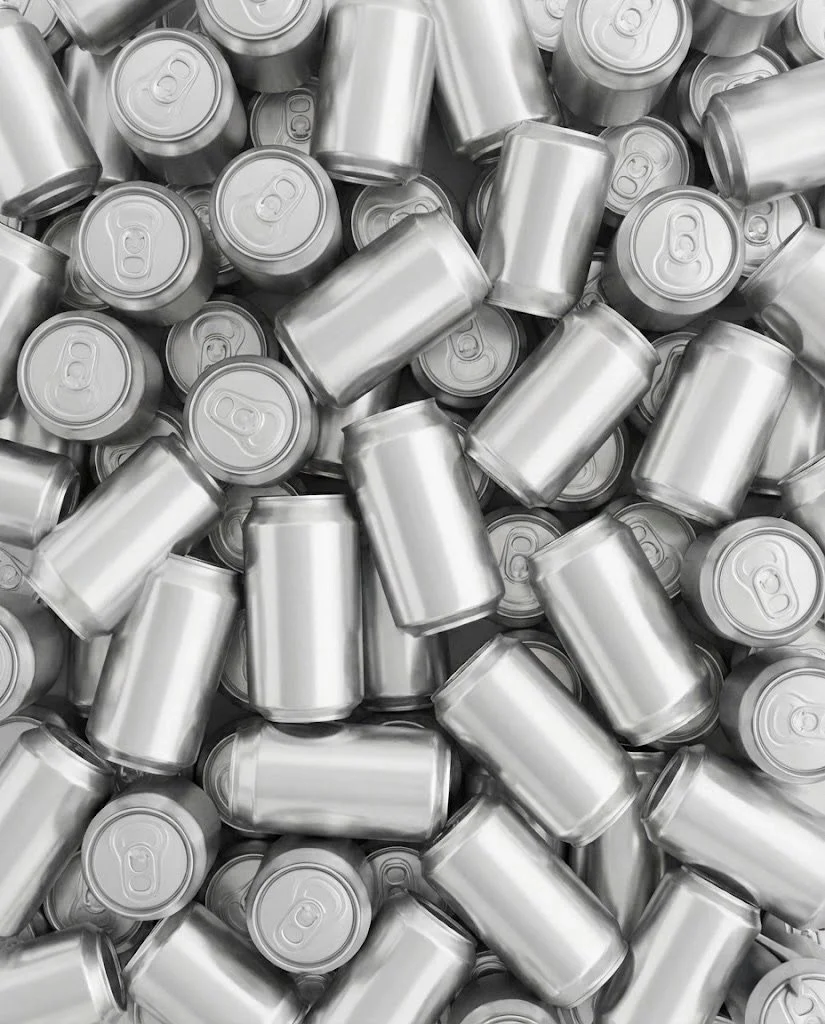
We ship beer in 330ml aluminum cans. People sometimes ask if glass bottles would be better for the environment. We looked into it. The honest answer: it depends on where you live and whether you recycle.
What The Research Says
Mixed · Inconclusive · Location-Dependent
We expected to find a clear winner. We didn't. Some studies favor aluminum — it's lighter to transport and recycling it saves 95% of the energy compared to making new aluminum. Other studies favor glass — it takes less energy to produce in the first place, and in Europe, glass actually gets recycled more often than aluminum.
New Belgium Brewing, who sell beer in both formats, summarized it well: "Comprehensive, unbiased studies comparing the total environmental impact of glass bottles to that of aluminum cans do not exist."
The biggest factor? Whether your country has a deposit return system.
| Country | Cans | Glass | Deposit System |
|---|---|---|---|
| Germany | 99% | 90%+ | Yes |
| Belgium | 98% | 90%+ | Yes |
| Netherlands | ~80% | ~80% | Yes |
| France | Below 50% | ~75% | No |
| EU Average | 76% | 80% | — |
Countries with deposit systems achieve 90%+ recycling for both materials. Countries without lag behind. This is why blanket statements about which packaging is "greener" don't hold up — the answer changes depending on where you live.
How They Compare
Weight · Recycling · Production
Weight: A can weighs 10-15 grams. A glass bottle weighs 180-250 grams — about 18 times heavier. Heavier packaging means more fuel to transport, more trucks on the road, and more emissions per delivery. For a company shipping across Europe, this adds up.
Recycling: Both materials can be recycled forever without losing quality — that's rare and valuable. The difference is what happens when they are recycled. Recycling aluminum saves 95% of the energy needed to make new aluminum. Recycling glass saves 25-30%. This means aluminum's environmental advantage grows the more it gets recycled. In countries with low recycling rates, that advantage disappears.
Production: If we ignore recycling entirely, glass wins. Making aluminum from raw bauxite ore is extremely energy-intensive and involves significant mining damage in countries like Guinea, Australia, and Brazil. Making glass from sand requires less energy and causes less harm. The catch: this only matters for virgin materials. Once aluminum enters the recycling loop, it stays there efficiently.
| Factor | Cans | Glass |
|---|---|---|
| Weight | 10-15g | 180-250g |
| EU recycling rate | 76% | 80% |
| Recycled content in new packaging | ~70% | ~25% |
| Energy to produce from raw materials | Very high | High |
| Energy to produce from recycled materials | Very low | Medium |
| Raw material extraction | Bauxite mining (harmful) | Sand (less harmful) |
| Reusable in deposit systems | No | Yes |
Why We Chose Cans
Practical · Standardized · Not Worse
We chose cans for practical reasons: they're the standard format in European craft brewing, they're lighter to ship, and they don't break.
Most breweries we work with package in cans. The 330ml format is consistent across our entire catalog. Shipping glass across Europe would mean higher costs, higher emissions from the extra weight, significantly more packaging material and inevitable breakage — broken glass is total waste, while a dented can still works.
Is this the "greenest" choice? It depends. In Germany or Belgium, where recycling rates hit 99%, both options perform excellently. In France, where there's no deposit system, both underperform.
The one thing that definitely matters: recycle your empties. If you're in a country with deposits, return them. If not, use your recycling bin. That single action has more impact than which packaging you choose.
Sources & Links
1. Metal Packaging Europe & European Aluminium. "Aluminium Beverage Can Recycling in 2021." Press Release, 23 Feb. 2024.
2. Close the Glass Loop / FEVE. "EU Glass Collection Rate Reaches 80.1%." FEVE, 29 Jun. 2023.
3. Sensoneo. "Overview and Results of Deposit Return Schemes in Europe." Sensoneo Waste Library, 2024.
4. New Belgium Brewing. "Cans vs. Bottles: The Ultimate Showdown." New Belgium Blog.
5. European Aluminium Association. "Recycling Rate of Aluminum Cans in Europe by Country." Via Statista, 10 Jan. 2023.
6. UNESDA. "Collection Rates of Glass Containers for Recycling." UNESDA, 2023.
7. Eurostat. "Packaging Waste Statistics." European Commission, 2023.
Note: Recycling data comes from industry associations (aluminum and glass) who have incentives to present their materials favorably. However, both sides report similar EU-wide rates (76% vs 80%), suggesting the figures are reasonably accurate.